Uneven cooling in Florida homes happens when ductwork, system sizing, airflow restrictions, or poor insulation prevent conditioned air from reaching every room consistently. Florida’s year-round heat makes this more than a comfort issue: rooms that stay warm force the AC to run longer, raise energy bills, and wear out equipment faster. This article covers the most common causes and what a proper diagnostic evaluation actually looks at.
Why Some Rooms Stay Warmer Than Others
Rooms stay warmer than others when they receive less conditioned air, generate more heat, or both. Location inside the home matters more than most homeowners expect: a room above a garage, at the far end of a long duct run, or facing west in the afternoon sun is fighting a harder battle than a room near the air handler on the shaded side of the house.
Uneven temperatures usually develop over time and rarely trace back to a single cause. Certain rooms receive less conditioned air or experience higher heat gain depending on their position, construction, and how far they sit from the air handler.
In multi-story homes, upper levels commonly feel warmer because heat naturally rises and places added demand on the cooling system. When airflow isn’t properly balanced, the system cools some areas well while struggling to deliver enough air to others.
System Design Issues That Affect Temperature Balance
Most persistent uneven cooling problems trace back to how the system was designed, not how it’s performing. Ductwork layout, equipment sizing, and return air placement all determine whether conditioned air reaches every room in the right volume. A system that was sized or ducted for a different floor plan, or never properly commissioned, will struggle to deliver even temperatures regardless of how well the equipment itself is running.
Common design-related contributors include:
- Ductwork that doesn’t distribute air evenly throughout the home
- Improper system sizing that limits consistent airflow
- Inadequate return air paths causing pressure imbalances
- Older duct systems not designed for current home layouts
Even a high-quality AC unit will struggle if the supporting duct system wasn’t built to handle the home’s actual layout and cooling demands.
Common Causes of Uneven Cooling: Quick Reference
| Cause | What It Affects | Typical Fix |
| Undersized or oversized AC | Whole-home comfort and humidity control | Load calculation and equipment replacement |
| Poor duct layout or leaks | Air delivery to far rooms | Duct sealing, rebalancing, or redesign |
| Blocked or closed vents | Airflow to individual rooms | Clear obstructions, open registers |
| Dirty air filter | System-wide airflow restriction | Replace filter, check schedule |
| Insufficient insulation | Heat gain in specific rooms | Attic and wall insulation upgrades |
| Inadequate return air paths | Pressure balance throughout home | Add return vents or transfer grilles |
Airflow Restrictions Inside the Home
Restricted airflow is one of the most common and most overlooked causes of hot spots. When air can’t move freely through the system, some rooms get shortchanged regardless of what the thermostat says. A dirty filter, a closed register, or a piece of furniture sitting directly over a floor vent can each cut the airflow to a room enough that the AC runs continuously without ever catching up.
Dirty air filters, blocked vents, or closed registers reduce airflow to specific areas. Furniture, rugs, and curtains can also obstruct vents without the homeowner realizing it.
What makes airflow restrictions easy to miss is that they compound. The system works harder, runtime increases, and the energy bill climbs before anyone connects it back to a vent that’s been partially blocked for months.
The Role of Insulation and Heat Gain
Poor insulation lets outdoor heat into rooms faster than the AC can remove it. In Florida, attics can reach temperatures well above 130 degrees on a summer afternoon, and that heat conducts directly into living spaces below if insulation levels are insufficient. A room with good airflow can still feel warm if the walls or ceiling are absorbing and radiating that much heat into the space.
Attics, sun-facing rooms, and spaces above garages are especially prone to heat gain. Even with adequate airflow, these areas will run warmer than the rest of the home if insulation isn’t keeping that heat out.
Solving Hot and Cold Spots Throughout the Home
Fixing uneven cooling starts with identifying which of the underlying factors is actually driving the problem. Adjusting vents or lowering the thermostat treats the symptom; a proper diagnostic evaluation looks at duct performance, system sizing, return air paths, and insulation to find where the real gap is. Most homeowners are surprised that meaningful comfort improvements are often possible without replacing the entire system.
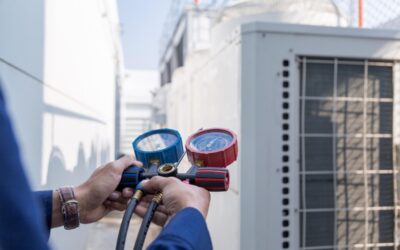
Professional evaluations help determine whether airflow, duct design, insulation, or system sizing is contributing to the issue. Solutions often involve a combination of adjustments:
- Balancing airflow to improve distribution across rooms
- Sealing or modifying ductwork to reduce air loss
- Improving insulation in high heat-gain areas
- Adjusting system operation for better comfort control
Why Uneven Cooling Should Not Be Ignored
Uneven cooling isn’t just a comfort problem: it’s a sign the system is working harder than it should. A thermostat in one part of the house that never gets satisfied keeps the AC running in extended cycles, adding wear to the compressor and driving up electricity costs. Catching and correcting these imbalances early is almost always less expensive than dealing with the equipment failures that follow.
Addressing temperature imbalances early protects system components, improves efficiency, and creates a more comfortable living environment throughout the home.
Working With a Local Team That Understands Florida Homes
Florida’s climate, building styles, and construction practices create HVAC challenges that don’t apply in other parts of the country. Concrete block construction, year-round cooling demand, high outdoor humidity, and long cooling seasons all factor into how a system needs to be designed and maintained. A local team that works on Florida homes every day brings that context to every evaluation rather than applying a generic checklist.
Experienced technicians evaluate the entire system and home environment, offering solutions tailored to South Florida conditions rather than generic fixes.
Frequently Asked Questions
Why is one room in my Florida home always hotter than the rest?
That room is likely receiving less conditioned air, generating more heat, or dealing with both at once. West-facing rooms, spaces above garages, and rooms at the far end of a duct run are the usual suspects in Florida homes. A quick check of vent placement, filter condition, and sun exposure can point toward the cause before any equipment gets touched.
Can a dirty air filter cause uneven cooling?
Yes, and it’s one of the first things to check. A clogged filter restricts airflow across the entire system, which means rooms that already receive less air get even less. Replacing a neglected filter sometimes resolves mild hot spots without any other intervention.
Does poor insulation affect AC performance in Florida?
Significantly. Florida attics get extremely hot, and that heat conducts into living spaces when insulation is thin or degraded. The AC removes heat from inside the home, but if heat is pouring in through the ceiling faster than the system can handle, the room will stay warm even with good airflow. Attic insulation upgrades often deliver noticeable comfort improvements.
Do I need to replace my AC to fix uneven cooling?
Not necessarily, and often the answer is no. Many uneven cooling problems come from duct issues, airflow restrictions, or insulation gaps rather than the AC unit itself. A proper diagnostic evaluation will tell you whether the equipment is the problem or whether targeted adjustments can solve the comfort issue for far less.
How often should Florida homeowners have their AC system evaluated for airflow problems?
Annual maintenance visits are the right baseline, but if you’re noticing new hot spots, rising energy bills, or rooms that never seem to reach the set temperature, that’s a reason to call before the scheduled visit. Florida’s cooling season runs nearly year-round, so problems that go unchecked tend to get worse faster than they would in a more seasonal climate.
Schedule a Comfort Evaluation With Confidence
If rooms in your home never cool properly, a professional comfort evaluation is the right next step. Identifying and correcting uneven cooling improves comfort, efficiency, and system reliability at the same time.
Fill out the form on the website, call, or book online to schedule an evaluation. You’ll speak directly with a local team that listens, explains options clearly, and focuses on long-term comfort.
No pressure and no obligation. Just honest guidance to help Florida homeowners enjoy balanced comfort throughout their homes year-round.