Air conditioning systems are built to last, but no system lasts forever. In South Florida, where air conditioners run nearly year round, aging equipment can quietly shift from being reliable to becoming a liability. Many homeowners do not realize this change is happening until a breakdown forces an urgent and stressful decision.
Planning ahead allows homeowners to stay in control of comfort, costs, and timing. Understanding how system age affects performance and reliability can help you avoid surprise failures and make informed decisions before problems escalate.
How System Age Impacts Reliability and Operating Costs
As an air conditioning system ages, normal wear begins to affect how efficiently it operates. Components such as motors, coils, and electrical parts experience gradual decline even when maintenance has been consistent. Over time, this wear increases the likelihood of malfunctions.
Older systems often require more frequent repairs to keep running. While each repair may seem manageable on its own, repeated service calls add up quickly. At the same time, efficiency typically drops as systems age, leading to higher energy bills without any improvement in comfort.
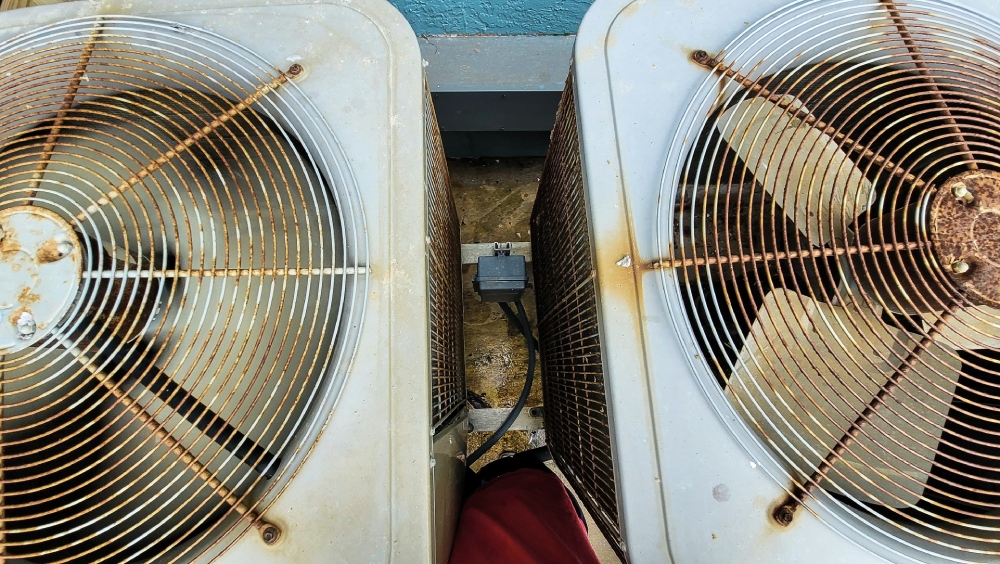
In South Florida, older systems are also exposed to constant humidity and long runtimes. This environment accelerates wear and makes aging equipment less predictable than systems operating in milder climates.
Avoiding Surprise Breakdowns in Older AC Units
One of the biggest risks of an aging air conditioning system is unexpected failure. Breakdowns rarely happen at convenient times. They often occur during peak heat when systems are under the greatest strain and service demand is high.
Warning signs usually appear before a complete failure, but they are easy to overlook. Common indicators include longer run times, uneven cooling, rising energy costs, and unusual noises during operation. These symptoms suggest the system is working harder to deliver the same level of comfort.
Regular professional inspections become increasingly important as systems age. Identifying worn components early can help prevent sudden breakdowns and give homeowners time to plan rather than react.
Why Emergency Replacement Creates Unnecessary Stress
When an air conditioning system fails unexpectedly, homeowners are often forced into quick decisions. Emergency replacements limit choices and add pressure during an already uncomfortable situation. Availability, scheduling, and budget concerns all become more difficult to manage.
Planning ahead avoids this scenario. When replacement decisions are made proactively, homeowners can explore options calmly, evaluate efficiency improvements, and choose a timeline that works best for their household.
Emergency situations often lead to rushed decisions that may not align with long term comfort or energy goals. Planning helps ensure the replacement truly fits the home and lifestyle.
Knowing When Planning Beats Emergency Replacement
There is no single age at which every system must be replaced, but older systems should be evaluated carefully. Factors such as repair frequency, energy efficiency, and overall performance help determine whether continued repairs make sense.
If repairs are becoming more frequent or costly, planning a replacement before a failure occurs is often the smarter option. This approach allows homeowners to balance remaining system life against rising operating costs and reliability risks.
Planning also gives homeowners the opportunity to improve comfort, airflow, and humidity control with newer technology designed for South Florida conditions.
The Financial Benefits of Planning Ahead
Proactive planning often results in better financial outcomes. Homeowners who plan replacements can budget more effectively and avoid the premium costs that sometimes come with emergency service situations.
Newer systems are typically more energy efficient, which can lower monthly operating costs. Over time, these savings help offset the initial investment while improving overall comfort and system reliability.
Planning ahead also allows time to consider maintenance programs that protect new equipment and extend its lifespan from the start.
Working With a Trusted Local Team
Evaluating an aging system requires honest guidance and local experience. A trusted service provider can assess system condition, explain realistic expectations, and help homeowners understand their options without pressure.
Local technicians understand how South Florida heat and humidity affect system lifespan. This insight helps homeowners make decisions based on real world conditions rather than generic timelines.
Clear communication and thoughtful planning build confidence and reduce uncertainty throughout the process.
Schedule a System Evaluation With Confidence
If your air conditioning system is showing signs of age or reliability concerns, a professional evaluation is a smart next step. Understanding where your system stands allows you to plan comfortably instead of reacting during an emergency.
You can fill out the form on our website, call, or book online to schedule a system evaluation. You will speak directly with a local team that listens, explains options clearly, and respects your timeline.
There is no pressure and no obligation. Just honest guidance to help South Florida homeowners stay comfortable and prepared year round.