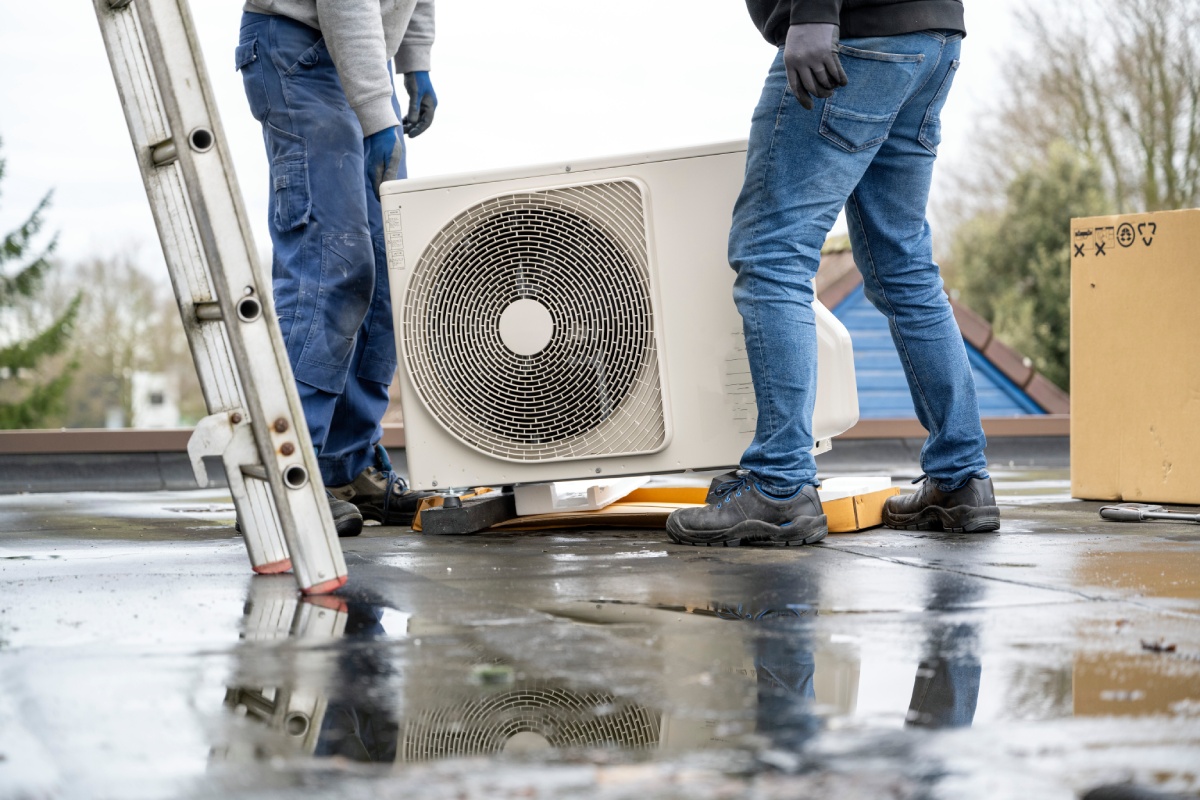
How an AC system is installed determines how it performs for its entire service life: correct refrigerant charge, properly sized and balanced ductwork, accurate electrical connections, and verified drainage are all set at installation and are difficult to fully correct after the fact. In South Florida, where the system runs nearly year-round, errors in any of these areas don’t stay minor for long. This article covers the specific installation factors that affect long-term performance, what poor installation actually costs over time, and what a professional installation process includes that a shortcut one doesn’t.
How Proper Setup Impacts Efficiency and Reliability
A correctly installed AC system starts its service life operating within the parameters it was designed for: the right refrigerant charge, verified airflow volume, calibrated thermostat, and confirmed electrical draws. That baseline matters because everything about the system’s long-term performance traces back to it. A system that starts correctly and is maintained consistently will degrade at a predictable rate. One that starts with installation errors is already compensating for those errors from day one, which accelerates wear on the components absorbing the extra load.
Professional installation ensures the system runs within manufacturer specifications, which reduces strain on components and maintains consistent cooling and humidity control across the home. Over time, that difference in baseline operating condition is what separates systems that deliver their expected service life from ones that need major repairs or full replacement years ahead of schedule.
In South Florida, where installation shortcuts in a more forgiving climate might go unnoticed for years, the year-round runtime and persistent humidity close that margin quickly. Issues that might take a decade to surface in a seasonal climate can show up in two or three years here.
Installation Mistakes That Shorten System Lifespan
The installation errors that do the most long-term damage are the ones that don’t cause an immediate failure: they just make the system work harder than it should every day. An incorrect refrigerant charge that’s 10% low doesn’t stop the system from cooling; it forces the compressor to run in conditions it wasn’t designed for, accumulating wear that adds up over thousands of operating hours. Improper duct connections that leak 15% of the system’s airflow don’t shut anything down; they just mean the home never quite reaches the set temperature on the hottest days, and the system runs longer trying.
Common installation mistakes that surface as long-term problems include:
- Incorrect refrigerant charge that reduces cooling capacity and forces extended run cycles
- Improper airflow due to duct sizing, connection, or blower setup errors
- Poor electrical connections that increase resistance, generate heat, and create reliability risks
- Inadequate or improperly pitched drainage that leads to moisture backup and water damage
- Incorrect system sizing based on square footage shortcuts rather than a proper load calculation
Each of these issues places the system in a position where it’s compensating for a setup problem on every cycle. The compressor, the blower motor, and the electrical components all carry that extra load, and the wear accumulates in ways that aren’t visible until something fails.
The Hidden Risks of Poor HVAC Installation
Poor installation rarely announces itself as a failure in the first year. What it produces instead is a system that performs adequately but not quite right: energy bills slightly higher than expected, rooms that cool unevenly on hot afternoons, humidity that never fully settles. Most homeowners adapt to these conditions without connecting them back to how the system was set up, and so the underlying installation problems run uncorrected through the system’s most productive years. By the time something fails noticeably, the wear that installation errors quietly drove has already shortened the system’s useful life.
Warranty implications are a separate risk that homeowners often don’t discover until they need coverage. Many manufacturer warranties require installation by a licensed contractor following specified procedures. An improper installation that voids warranty coverage may not surface as a financial problem until a compressor fails in year four and the repair cost lands entirely on the homeowner.
Moisture issues from inadequate drainage or improper airflow add a structural risk on top of the mechanical one. Condensate that backs up or drains incorrectly can cause water damage to ceilings, walls, and flooring that goes well beyond the cost of the HVAC repair itself.
Professional Installation vs. Installation Shortcuts: Long-Term Comparison
| Factor | Professional Installation | Installation Shortcuts |
| Refrigerant charge | Measured and verified to manufacturer spec | Estimated or untested, leading to over- or undercharge |
| System sizing | Based on Manual J load calculation for the specific home | Based on square footage rule of thumb or previous unit size |
| Airflow and ductwork | Verified delivery volume and balanced supply and return | Connected and assumed correct without measurement |
| Electrical connections | Torqued to specification and tested for correct current draw | Visually connected, not tested under load |
| Drainage | Properly pitched, tested for flow, safety switch confirmed | Connected without pitch verification or flow testing |
| Manufacturer warranty | Preserved with licensed installation documentation | May be voided if requirements not met |
| Likely outcome at year 5 | System performing near original efficiency with normal wear | Accelerated component wear, higher repair frequency, reduced efficiency |
Why Installation Quality Matters More in South Florida
South Florida’s climate compresses the timeline on installation errors in a way that more moderate climates don’t. A system running 10 or more months per year accumulates operating hours roughly three times faster than one in a seasonal climate. That acceleration means an installation error producing 5% extra compressor wear doesn’t take 15 years to become a problem here: it takes 5. High ambient humidity adds pressure on drainage and moisture management that doesn’t exist the same way in drier regions, and coastal salt air adds a corrosion factor that makes properly sealed and protected electrical components more important than a standard installation guide accounts for.
Professional installers who work in South Florida regularly account for these regional demands in the installation process: correct sizing for humidity load, not just temperature, drainage pitched and verified for the condensate volumes Florida systems produce, and electrical work completed to a standard that holds up in a corrosive coastal environment. Those specifics don’t appear in generic installation instructions but make a measurable difference in how the system performs over years of Florida service.
Long-Term Benefits of Professional Installation
Professional installation is an investment that pays returns over the full life of the system rather than just in the first cooling season. A system that starts correctly and holds its efficiency longer costs less to operate every year it runs, and systems that avoid the early component failures driven by installation errors run longer before requiring major repair or replacement. In South Florida, where a quality system should deliver 12 to 15 years of reliable service, the compounded difference between a professional installation and a shortcut one can easily exceed the cost difference between the two.
Long-term advantages of professional installation include:
- Lower operating costs from a system running at its designed efficiency rather than compensating for setup errors
- More consistent temperatures and humidity control throughout the home
- Reduced frequency of service calls driven by wear that installation errors accelerate
- Greater confidence in manufacturer warranty coverage when major components need it
- A realistic expectation of full equipment lifespan rather than premature replacement
The Role of Skilled Technicians and Proper Procedures
Professional installation is a process with specific verification steps, not just a sequence of connections. A skilled technician measures refrigerant charge rather than estimating it, verifies airflow at the registers rather than assuming the ductwork delivers correctly, confirms electrical draws under load rather than visually inspecting connections, and tests drainage before the system runs rather than hoping it flows. Each of those measured verifications at installation is what prevents the category of problem that shows up as a repair call two years later.
The commissioning process at the end of an installation is where a professional setup earns its value. Testing the system under actual operating conditions, verifying performance matches design specifications, and documenting the installation baseline gives both the homeowner and any future service technician a clear starting point. A system with no commissioning record has no documented baseline, which makes diagnosing problems later harder and more time-consuming than it needs to be.
Planning for Success From Day One
The decisions made at installation follow a system for its entire service life. Choosing a contractor based on the lowest bid without verifying licensing, experience, and installation procedures is one of the most common ways homeowners end up paying more over the long run than a higher initial investment would have cost. The installation price is a one-time expense; the consequences of a poor one accumulate across every repair call, every month of elevated energy costs, and every year of shortened equipment life until the system is replaced.
Whether installing a new system or replacing an older unit, prioritizing professional installation and asking specific questions about the sizing method, commissioning process, and warranty documentation sets the foundation for long-term performance rather than leaving it to chance.
Frequently Asked Questions
How does improper refrigerant charge affect AC performance?
Refrigerant charge affects the system’s ability to absorb heat at the evaporator coil and release it at the condenser. Too little refrigerant reduces cooling capacity and forces the compressor to run longer trying to meet demand. Too much refrigerant causes high head pressure that stresses the compressor differently but just as harmfully. Either condition, if left uncorrected, shortens compressor life, which is typically the most expensive single component in the system to replace.
Can a poor installation void the manufacturer’s warranty?
Yes, and it’s more common than most homeowners realize. Most AC manufacturers require installation by a licensed HVAC contractor following specified procedures as a condition of warranty coverage. An installation that doesn’t meet those requirements may invalidate coverage on major components like the compressor or heat exchanger, which are precisely the parts where warranty coverage is most valuable. Asking for installation documentation and confirming the installer is licensed before the work begins protects against that risk.
What is commissioning and why does it matter?
Commissioning is the process of testing a newly installed system under actual operating conditions to verify it performs according to design specifications. It includes measuring refrigerant pressures and charge, verifying airflow at supply and return registers, confirming electrical draws are within rated ranges, testing drainage, and documenting the findings. A system that’s been properly commissioned has a verified performance baseline and a record of its installation condition, both of which are useful for any future service technician diagnosing a problem years later.
How do I know if my current system was installed correctly?
A professional evaluation that includes measured performance data is the most direct way to assess installation quality on an existing system. Signs that suggest installation issues include energy bills that were high from the start, comfort problems that emerged in the first year without any equipment failures, uneven cooling that service calls haven’t been able to resolve, or a system that has needed significant repairs earlier than its expected service life would suggest. Those patterns often trace back to setup conditions that were never quite right.
Does the brand of AC equipment matter more or less than the installation quality?
Both matter, but installation quality has more influence over real-world performance than most homeowners expect. A mid-tier system installed correctly will outperform a premium system installed with shortcuts in terms of efficiency, reliability, and longevity. The brand and efficiency rating represent the system’s potential under correct operating conditions: whether it actually reaches that potential depends almost entirely on how it’s installed and maintained. Prioritizing installation quality alongside equipment selection gives a more complete picture of what the investment will actually deliver.
Schedule a Professional Installation Consultation With Confidence
If you’re planning a new AC installation or have questions about how your current system was set up, a professional consultation can provide clear, specific answers. Getting installation right from the start protects efficiency, reliability, and the full value of the equipment.
Fill out the form on the website, call, or book online to schedule a consultation. You’ll speak directly with a local team that prioritizes quality workmanship and gives honest guidance without pressure.
No obligation. Just straightforward insight to help ensure your air conditioning system is set up for long-term success in South Florida’s demanding climate.